
Tree Pest Control in Northern Arizona: Bark Beetles, Aphids & Pinyon Needle Scale (2026 Guide)

Northern Arizona trees face real pest pressure in 2026, and Prescott, AZ, homeowners need to know which insects cause the most damage and how to stop them. Tree pest control is not one-size-fits-all here: Prescott sits at roughly 5,400 feet, where drought stress, intense sun, and wide temperature swings leave ponderosa pines, pinyon pines, and junipers more vulnerable than lower-elevation trees. Protect your trees now. Call Jonny's Spray Solutions at 928-541-1414 <Link to Call> for certified arborist-led tree pest control.
What Are the Most Damaging Tree Pests in the Prescott Area?
Several insects account for the bulk of tree loss across Northern Arizona. Early identification is the fastest path to saving an affected tree.
Bark Beetles
Bark beetles are among the most destructive pests Prescott trees face during dry years. These small insects burrow under bark to lay eggs, disrupting water and nutrient flow. On ponderosa pines, watch for pitch tubes on the trunk, fine sawdust in bark crevices, and needles turning reddish-brown. The Arizona five-spined Ips beetle is especially common here. Prevention starts with proper irrigation and avoiding overcrowding.
Aphids
Aphids feed on tree sap and cluster on new growth or the undersides of leaves. In Prescott, spruce aphids can cause significant canopy damage on ornamental conifers. Sticky honeydew on leaves or surfaces below the tree is usually the first sign. Large populations weaken trees, stunt new growth, and encourage sooty mold. Targeted sprays applied at the right time can manage aphid populations without harming beneficial insects.
Pinyon Needle Scale
Pinyon needle scale (Matsucoccus acalyptus) attacks pinyon pines slowly over several seasons, targeting the prior year's needles and causing gradual canopy thinning. Healthy pinyon pines hold needles for four to five years, so repeated infestations can leave a tree with only its newest needles. Look for white, cottony egg masses near the base or in bark crevices. Drought stress significantly amplifies damage.
Borers
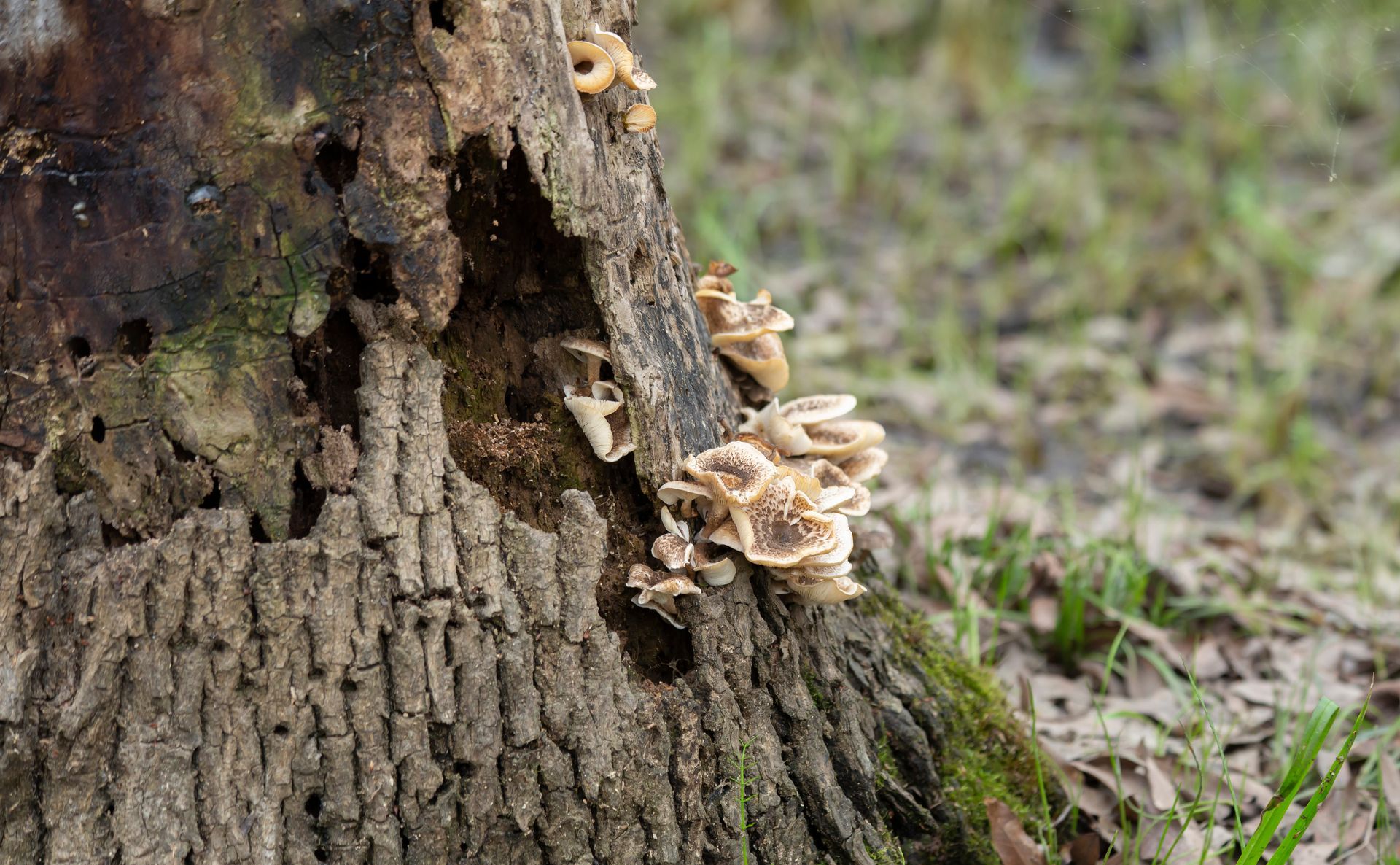
Wood-boring beetles and moth larvae tunnel deep into branches and trunks, cutting off water and nutrient flow. They typically target trees already weakened by drought or prior insect activity. Signs include D-shaped or round exit holes, frass around the trunk, and progressive branch dieback. By the time external damage is visible, significant internal injury may have already occurred. Professional tree pest control in Prescott, AZ, can assess borer severity and determine whether treatment or removal is the right course.
Elm Leaf Beetle
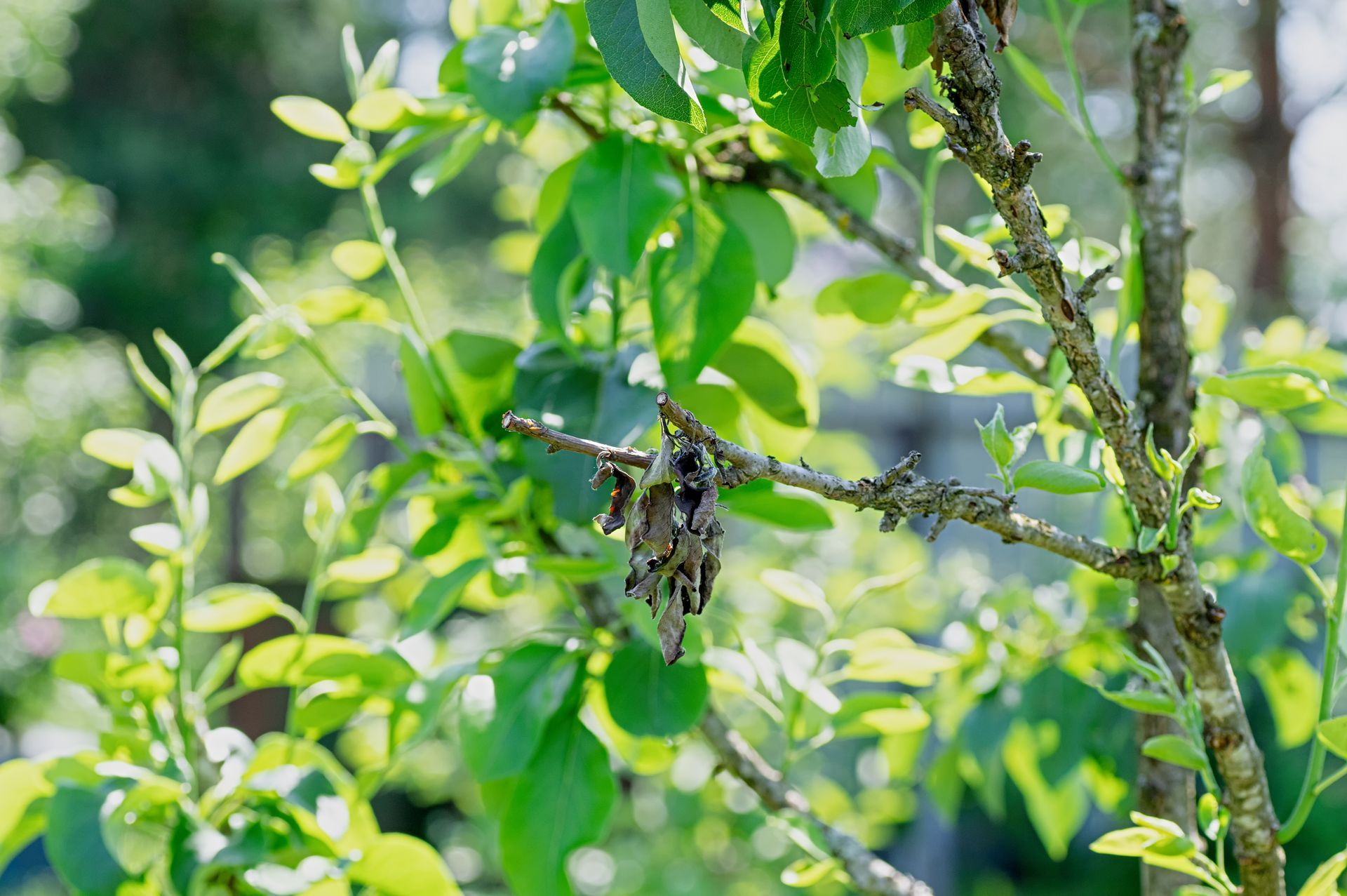
Prescott neighborhoods with mature elms can experience significant damage from elm leaf beetles, which skeletonize leaves during summer feeding. Repeated defoliation weakens overall tree health and opens the door to secondary pest and disease problems.
You can also find and review Jonny's Spray Solutions LLC on Google Maps.
General Prevention Tips for Prescott Homeowners
Healthy trees resist pests better. Keep these habits throughout the year: deep-water trees during dry spells, especially Prescott's pre-monsoon period in May and June; remove dead or heavily infested trees promptly; avoid wounding bark during landscaping work; and schedule annual inspections with a certified arborist before spring pest activity peaks.
Get Professional Help Before Pests Take Over
Jonny's Spray Solutions LLC serves Prescott, Prescott Valley, Chino Valley, and Dewey-Humboldt with certified arborist-led tree pest control services built around Integrated Pest Management for long-term results. If you have noticed any warning signs described above, do not wait. Contact the team today at 928-541-1414 to schedule a consultation.